.webp)
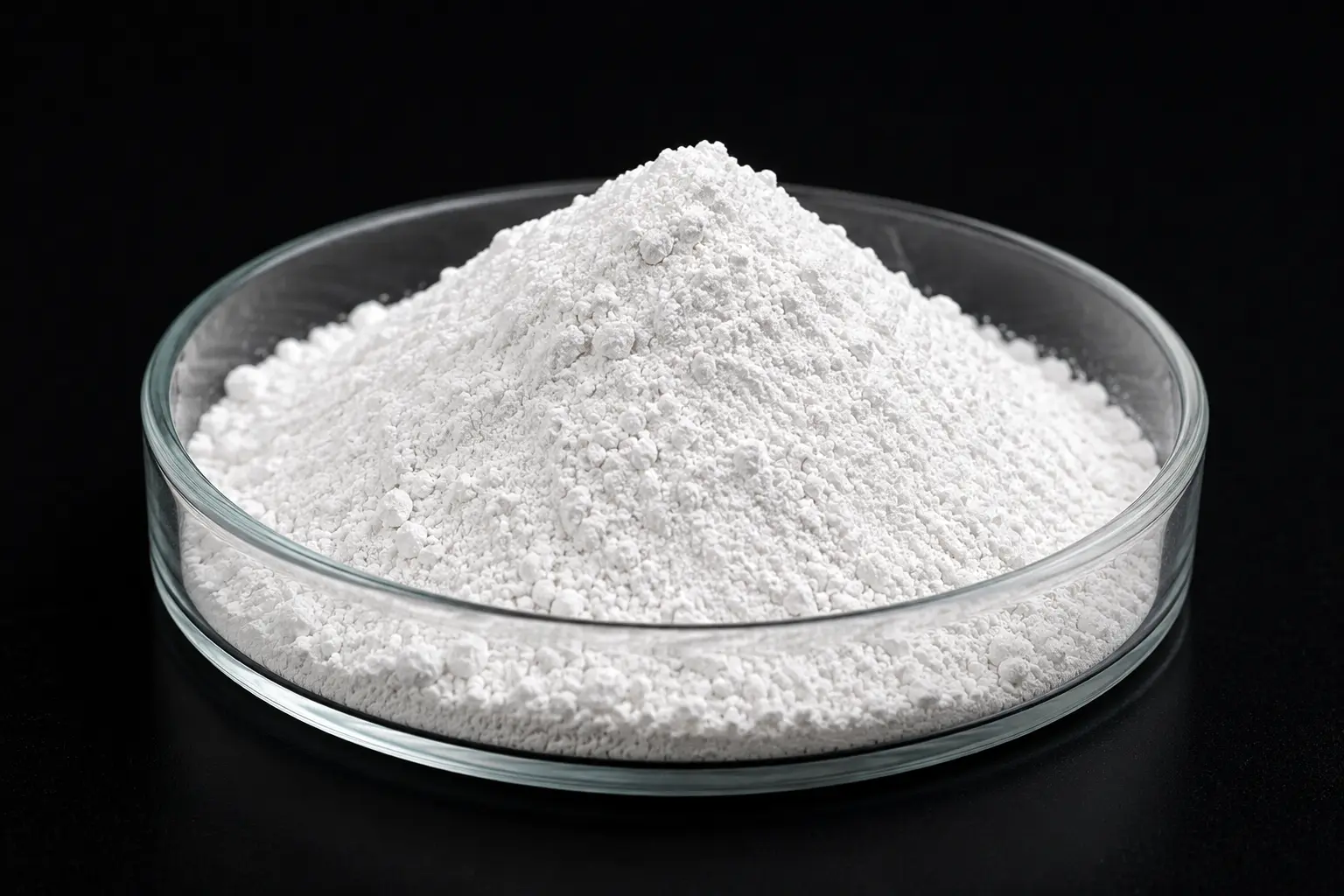
Chemical gypsum, also known as synthetic gypsum, is a type of gypsum (calcium sulfate dihydrate) that is created as a byproduct of various industrial processes. Unlike natural gypsum, which is mined from geological deposits, chemical gypsum is produced through chemical reactions involving different sources of raw materials.
Overall, chemical gypsum is a valuable resource that can help reduce the environmental impact of certain industrial processes while providing benefits in various sectors. It’s important to consider its properties and potential impurities when using it in different applications. The chemical gypsum is a soft sulfate mineral composed of calcium sulfate dihydrate. It is widely mined and is uses as a fertilizer and as the main constituent in many forms of plaster.
High purity with controlled composition for consistent results
Suitable for construction, cement, agriculture, and industrial applications
Ensures durability, stability, and efficient performance across uses
Chemical Gypsum is widely used in cement manufacturing, construction, and agriculture to improve strength, setting time, and soil quality. It is also used in plaster products and industrial processes for enhancing performance and efficiency.
One of the most common sources of chemical gypsum is the flue gas desulfurization process used to reduce sulfur dioxide emissions from coal-fired power plants. In this process, limestone or lime is used to react with the sulfur dioxide in the flue gas, producing calcium sulfate dihydrate as a byproduct, which is then collected and used as chemical gypsum.
Another source of chemical gypsum is phosphogypsum, a byproduct of the phosphate fertilizer industry. Phosphogypsum is created during the extraction of phosphoric acid from phosphate rock. It contains elevated levels of impurities and trace elements.
Titanogypsum is produced as a byproduct of titanium dioxide pigment manufacturing.
Citrogypsum is derived from the citric acid production process.
Chemical gypsum shares many properties with natural gypsum, but its composition and impurities can vary depending on the source and the specific industrial process.
Like natural gypsum, chemical gypsum can be used in construction materials such as plaster, drywall, and cement.
It can be used as a soil amendment to improve soil structure and provide calcium and sulfur nutrients to plants.
The use of chemical gypsum helps reduce the demand for natural gypsum mining. However, the processing and utilization of chemical gypsum should be managed responsibly to minimize environmental impacts and ensure proper disposal of impurities.
Depending on the source and specific composition, chemical gypsum might be subject to regulations related to impurities and potential environmental effects
| Parameters | Results |
| Lime (CaO) | 32.47 % |
| Magnesium oxide (MgO) | 0.81 % |
| Silica (SiO2) | 0.39 % |
| Iron Oxide (Fe2O3) | 0.056 % |
| Aluminum Oxide (Al2O3) | 0.062 % |
| Combined Water | 19.06 % |
| Sulphate (SO3) | 43.77 % |
| Purity (CaSO4 2H2O) | 94.11 % |
| CI (as NaCI) | 0.010 % |
| Moisture | 1 % |
| Particle Size | 240 mesh (D97) |
| Origin | Oman Country |