Because soft soil has a high density and poor shear strength, building embankments on it would result in issues like significant and uneven sinking. Utilizing geo-grit in conjunction with columns made of cement and lime is one approach to prevent this sinking. Because of their tensile strength and body friction, cement and lime columns and geo-grits both prevent embankment sinking.
Few studies have been conducted on inclined embankments on soft soil layers, despite the fact that much study has been done to prevent the sinking of embankments near highways. The road embankment in this study was placed on an inclined layer of soft soil.
Uniform size with high purity
Suitable for construction, filtration, and industrial applications
Ensures strong, stable, and efficient results
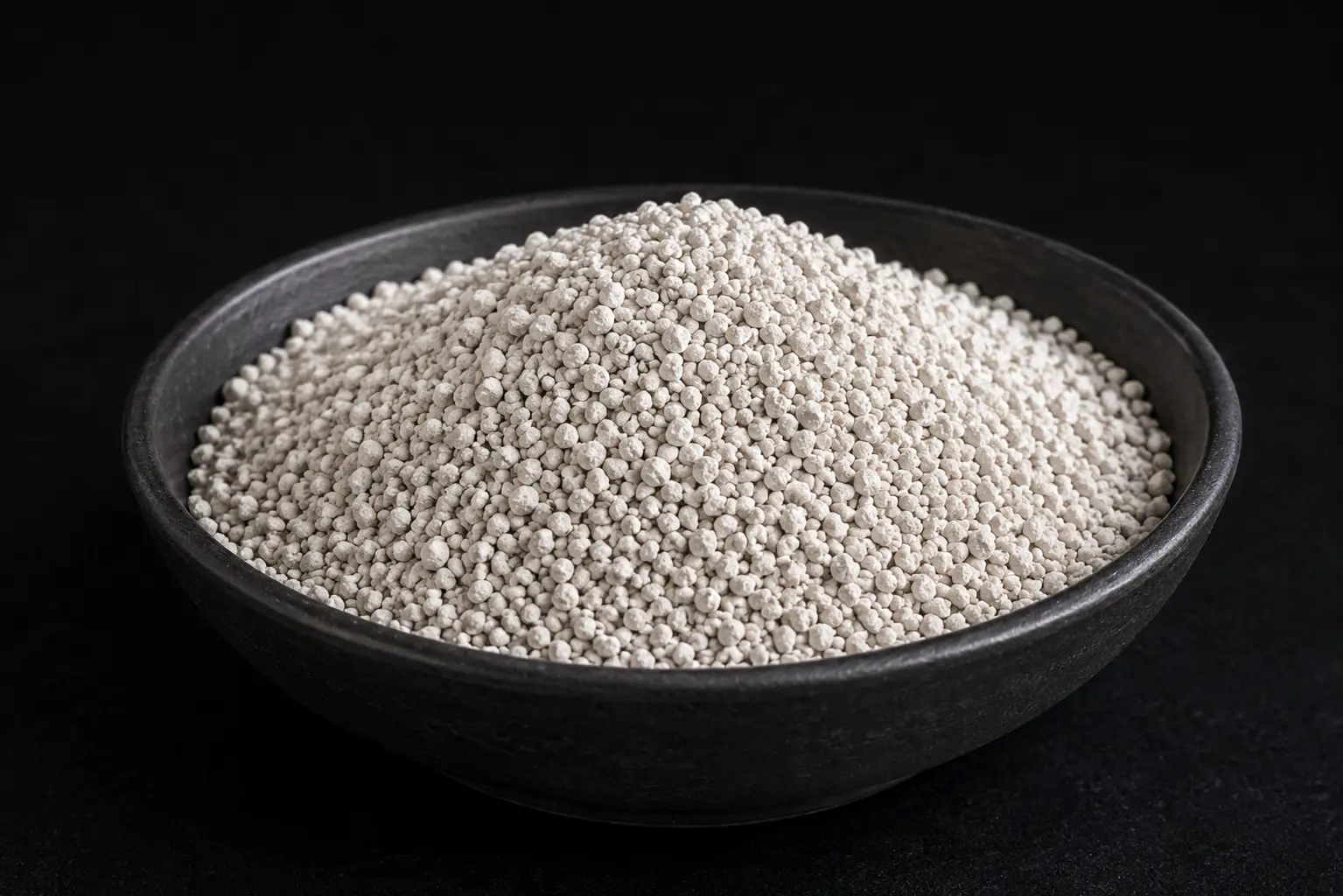
Limestone Grit is widely used in industries such as construction, filtration, road base, and landscaping to provide strength, stability, and proper drainage. It is also used in industrial processes for material support and improving overall performance.
Limestone grit pavers are a type of outdoor flooring or paving material made from limestone. These pavers are commonly used for pathways, patios, driveways, and other outdoor areas. They are designed with a grit-like pattern that allows grass or other ground cover to grow between the paver stones, creating a natural and visually appealing look.
In the context of limestone quarrying, a grit could refer to a system of dividing a quarry area into a grid pattern for the purpose of more organized extraction. This grit can help quarry operators plan and manage the extraction process efficiently, ensuring optimal use of resources and minimizing environmental impact
In geology, a "limestone grit" might refer to a pattern or arrangement of limestone formations on the Earth's surface. Limestone is a sedimentary rock that often forms distinct patterns due to natural processes like erosion, faulting, and folding.
| Parameters | Results |
| Lime (CaO) | 32.47 % |
| Magnesium oxide (MgO) | 0.81 % |
| Silica (SiO2) | 0.39 % |
| Iron Oxide (Fe2O3) | 0.056 % |
| Aluminum Oxide (Al2O3) | 0.062 % |
| Combined Water | 19.06 % |
| Sulphate (SO3) | 43.77 % |
| Purity (CaSO4 2H2O) | 94.11 % |
| CI (as NaCI) | 0.010 % |
| Moisture | 1 % |
| Particle Size | 240 mesh (D97) |
| Origin | Oman Country |