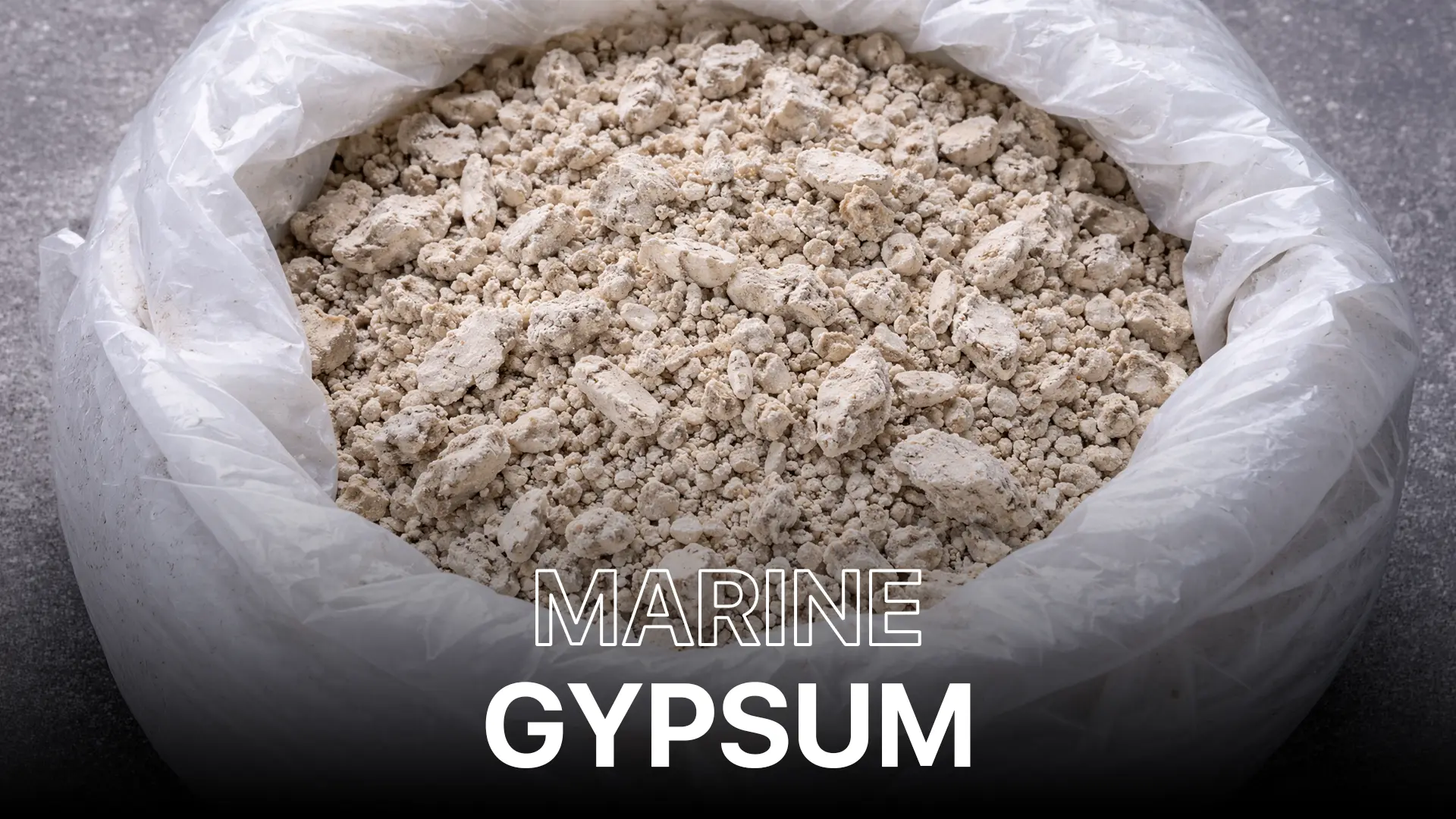
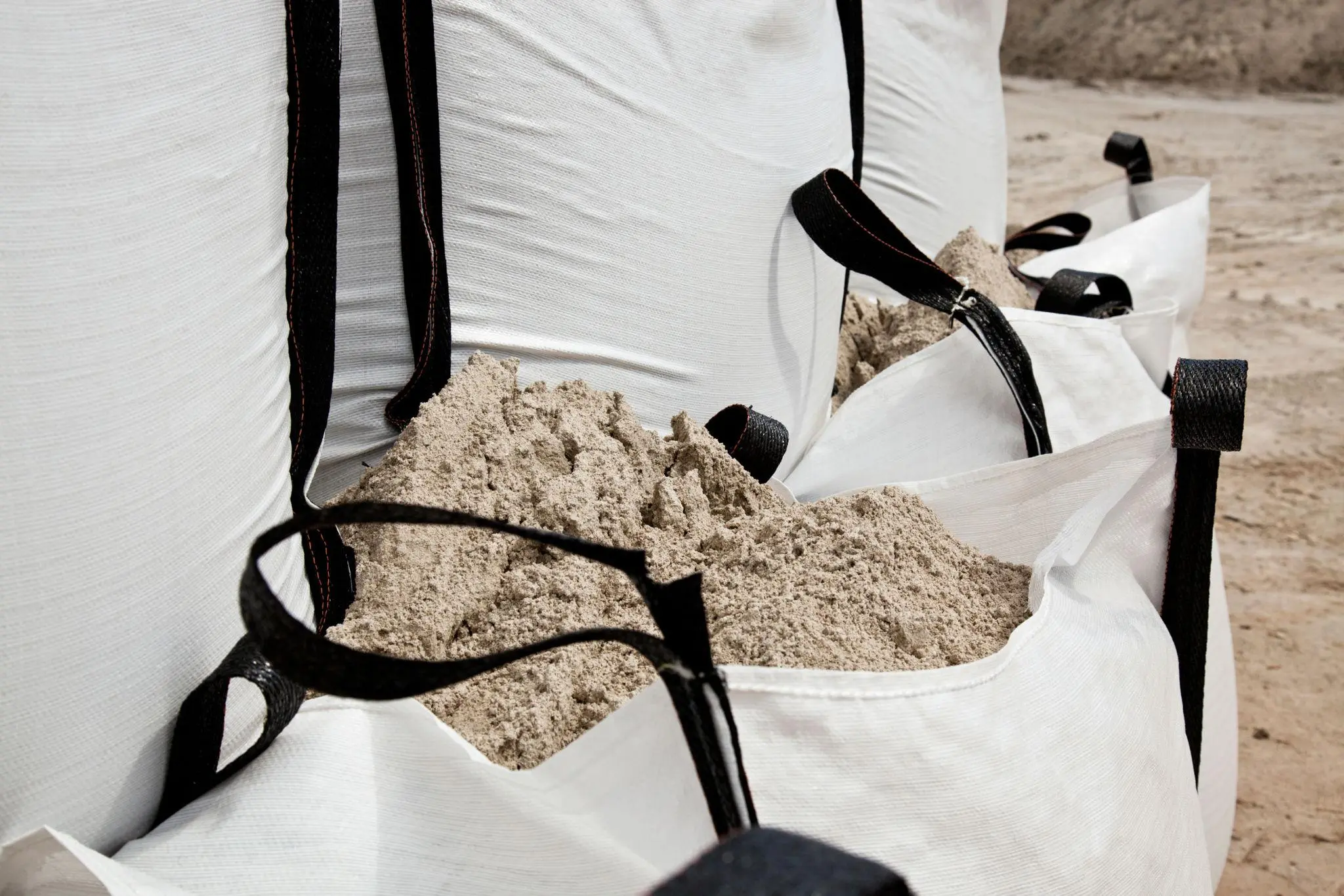
Marine gypsum, also known as marine sedimentary gypsum or sea gypsum, is a type of gypsum (calcium sulfate dihydrate) that forms as a result of the evaporation of seawater. It is primarily composed of calcium sulfate and water, and it often contains impurities and trace elements that give it unique colors and characteristics. Marine gypsum is commonly found in coastal areas and regions with active salt pans or salt flats.
It’s important to note that marine gypsum, like other natural resources, should be extracted and used responsibly to ensure the preservation of ecosystems and the environment. The use of marine gypsum can provide benefits in various sectors, but it should be done in a way that minimizes negative impacts and promotes sustainability. The marine gypsum is a by-product of solar Salt manufacturing process. Every salt manufacturing unit will have marine gypsum deposit in tune of about 5% of their annual salt production at various stages in various condensers. Marine Gypsum being heavier (higher in specific gravity) than salt.
High purity with consistent composition
Suitable for agriculture, construction, and soil conditioning
Ensures effective and long-lasting results
Marine Gypsum is widely used in agriculture, construction, and soil conditioning to improve soil structure, enhance crop growth, and increase productivity. It is also used in cement and plaster applications for better strength and durability.
Marine gypsum forms when seawater evaporates, leaving behind dissolved minerals, including calcium sulfate. As the concentration of calcium sulfate increases due to evaporation, it can precipitate out of the solution and accumulate as deposits.
Marine gypsum often contains impurities and trace elements that give it various colors, such as white, gray, pink, or red. These impurities can come from minerals present in the seawater or from the surrounding environment.
Marine gypsum deposits are typically found in coastal regions, salt pans, and areas where seawater can evaporate rapidly. They can also be found in sedimentary rock formations that were once underwater but have since been uplifted.
Marine gypsum can be used as a soil conditioner to improve soil structure and fertility. It provides calcium and sulfur nutrients to plants and helps reduce soil salinity.
Marine gypsum can be used as a construction material, similar to regular gypsum, for making plaster, drywall, and other building products.
It can be used in industrial processes, such as in the production of cement and as a filler in various products.
The extraction of marine gypsum can have environmental consequences, as it may disturb coastal ecosystems and habitats
The high salinity of marine gypsum can limit its direct use in some applications, as excessive salinity can negatively affect plant growth.
The sustainable extraction of marine gypsum requires careful management to minimize environmental impact. Methods such as controlled evaporation ponds and water management techniques are used to extract and process marine gypsum.
| Parameters | Results |
| Lime (CaO) | 32.47 % |
| Magnesium oxide (MgO) | 0.81 % |
| Silica (SiO2) | 0.39 % |
| Iron Oxide (Fe2O3) | 0.056 % |
| Aluminum Oxide (Al2O3) | 0.062 % |
| Combined Water | 19.06 % |
| Sulphate (SO3) | 43.77 % |
| Purity (CaSO4 2H2O) | 94.11 % |
| CI (as NaCI) | 0.010 % |
| Moisture | 1 % |
| Particle Size | 240 mesh (D97) |
| Origin | Oman Country |